
How to Promote an E-Learning Platform: 9 Best Strategies
Running an e-learning website is a resounding business with high revenue potential. But, whether your platform attains success depends on its reach, visibility, and how well learners engage with your platform.
In this blog, we walk you through the 9 best strategies to market your e-learning platform. From essential checklists to top strategies and key marketing metrics, you’ll find everything to kick off your marketing plan.
Key Takeaways:
- Pre-marketing checklist: Understand your target audience, product readiness, define key metrics, set up email platform, and branding.
- Content marketing, SEO optimization, email campaigns, social media promotion, paid ads, referrals, and testimonials are key marketing strategies for e-learning platforms.
- Use a mix of organic and paid strategies; invest in platforms that align with your goals and audience.
- Monitor, track, and tweak your marketing plan and analyze which gives better results.
Pre-Marketing Checklist for E-Learning Platforms
Effective marketing needs proper groundwork. Planning a few essentials amplifies your marketing message, builds interest, and makes everything streamlined.
Here’s an essential pre-marketing checklist before you execute your marketing plan:
- Identify Your Target Audience – Define one primary audience and understand their interests and pain points
- Product Readiness – Build core platform flows, mini courses, and free lessons
- Clear Positioning – Find your core promise and USP that makes your platform stand out
- Setting Your Landing Page – Simple sign-up page with email capture for presale offers and waiting list.
- Define Key Metrics – KPIs, such as sales, revenue, traffic, etc.
- Configure Email Platform – Mailchimp, Beehive, or ActiveCampaign to capture leads.
- Branding – Design your logos and brand colors
9 Effective Marketing Strategies to Promote E-Learning Platforms
Here are the top marketing strategies to market your e-learning website:
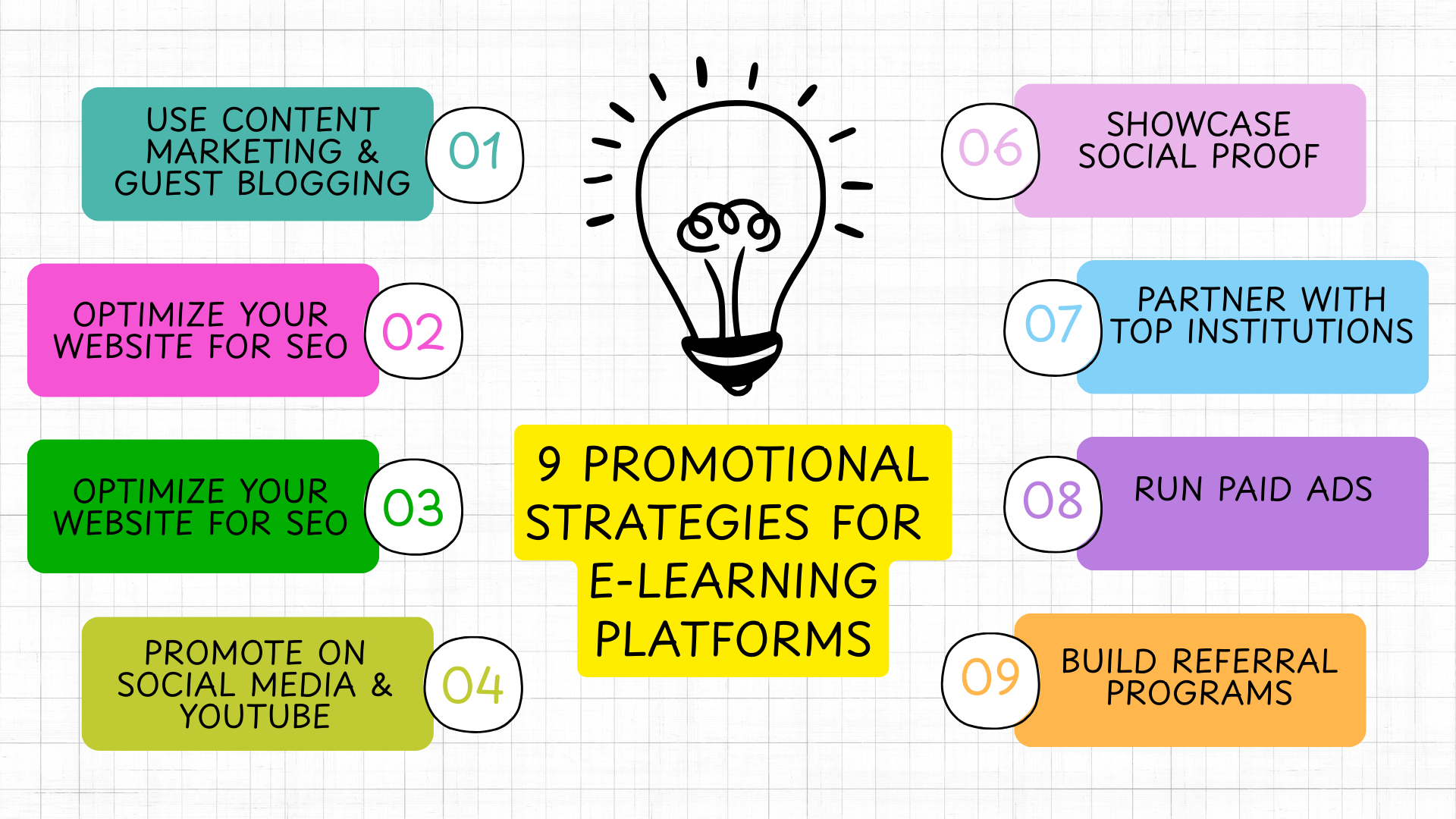
Strategy # 1: Leverage Content Marketing & Guest Blogging
Content marketing is a game-changing strategy for e-learning websites. When you share how-to-guides, valuable insights, and even interactive videos, you are swiftly building trust and credibility. Answering the audience’s questions and pain points helps to attract traffic.
Try different content formats, such as guides, tutorials, case studies, and checklists, for comprehensive coverage.
Here are the content topics for a tech upskilling website:
- “Full-stack development roadmap”
- “High-paying career paths in full-stack development”
- “10 Beginner full-stack projects”
Most importantly, include relevant keywords in the blog title, headings, content, alt text, and meta description.
Another powerful strategy is guest blogging on online educational platforms, tech & developer communities, and skill development portals.
💡Pro Tip: Instead of targeting high-traffic websites for guest posting, reach out to websites with a similar audience or complementary products.
How Does It Help?
Wins trust, attracts traffic, builds thought leadership authority, and educates the audience
Example: Preply builds topic clusters based on different buyer personas and blogs addressing audiences’ pain points. The language tutoring site has earned high-authority backlinks from PR outreach and top publication sites.
Strategy # 2: SEO-Optimization for Your Website
Search engines are among the top places learners explore courses and tutoring sessions. Hence, optimizing for Google search is crucial as it holds 89.82% of the search engine market share. To attract more traffic to your website, optimize for relevant keywords, improve the site’s loading speed, and build quality backlinks.
Tools for SEO optimization:
- Semrush: Find high-volume keywords, competitor analysis, and AI visibility
- Google Search Console: Monitor website’s performance, average position for user queries, indexing, etc.
- Google Analytics: Analyze traffic and engagement of your website’s pages
How Does It Help?
Higher Google rankings, better conversions, satisfy user intent, and build authority
💡Pro Tip: Modern learning platforms need to optimize their visibility for LLMs, such as ChatGPT, Gemini and Perplexity. Create structured content, win brand mentions, and positive customer reviews to appear on LLMs.
Example: For a language E-learning website, target keywords like “online language learning platform”, “AI language learning platform”, or “learn languages online.”
Strategy # 3: Run Email Campaigns
One of the most powerful strategies to market your e-learning website is email marketing. Send emails on new course launches, promotional offers, tips, and marketing trends. Before starting email campaigns, set clear marketing goals, such as click-through rates, open rates, engagement, and conversions.
How to Do It?
- Build an email list by offering free resources, guides, or industry reports.
- Segment your learners as new leads, free trial users, paid learners, and loyal customers.
- Set up automated welcome, re-engagement, and cart abandonment sequences.
- Personalize your email with the learner’s name, courses enrolled in, or demographics
- Add a clear and high-conversion CTA like “Enroll Now”, “Shop Now”, “Start learning Now” to encourage learners to take action.
How Does It Help?
Direct connection, engagement, cost-effective, and high-returns
Example: Udemy runs compelling email campaigns for course promotions, personalized recommendations, automated welcome sequences, and key announcements. Besides, tutors can also send promotional emails about their courses to attract students.
Strategy # 4: Social Media & YouTube Marketing
Engaging with learners on social media is crucial to building a strong relationship with your audience. An effective social media strategy helps to share content, interact with learners, collect feedback, and build a solid community.
Choose the right platform based on your target audience. For example, LinkedIn and X are ideal for professional learning and upskilling platforms. On the other hand, if your target audience involves early professionals and creators, Instagram and Facebook offer better reach.
Here’s how you can promote on different social media platforms:
- Facebook: Free webinars, private learning groups, and testimonials
- X (Twitter): New course drops, free resources, content, threads, niche communities
- Instagram: Visual or bite-sized content like reels, carousels, stories
- YouTube: Tutorials, mini-lessons, instructor stories, productivity hacks, and live sessions
- LinkedIn: Industry insights, trends, quick tips, polls, and promotions
How Does It Help?
Build brand awareness, trust-building, offer valuable content, retargeting, and community building
💡Pro Tip: The key is to optimize your content based on your target audience. Stories and teaser videos work better for Instagram, while long-explainer videos work for YouTube.
Strategy # 5: Showcase Social Proof
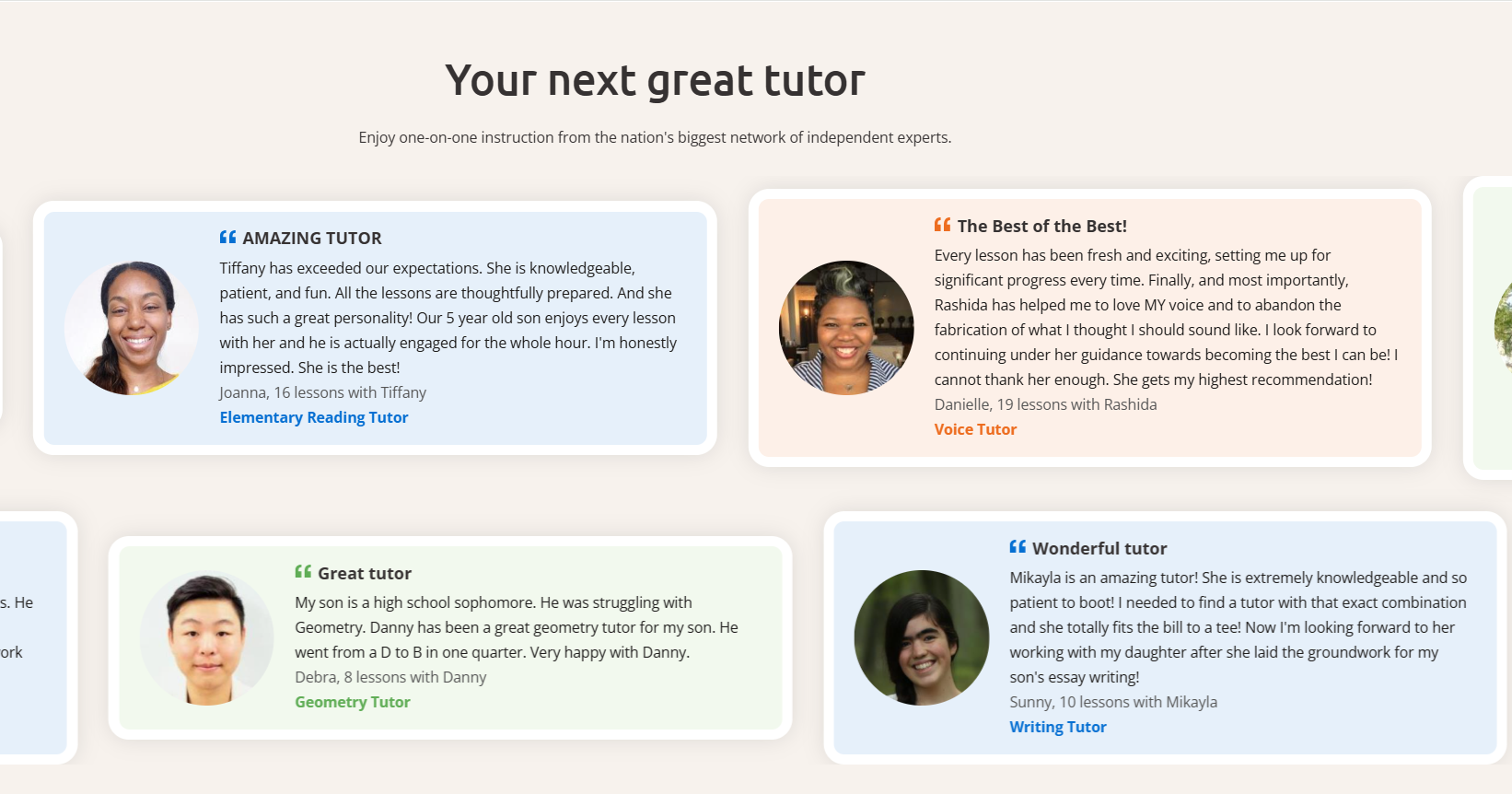
While selling your physical product captures attention, selling experiences wins their trust! One of the best ways to promote your website is to include student testimonials in your landing page. So, when a new site visitor reads these reviews, they are more likely to sign up to your platform.
Strategic places to include testimonials:
- Website landing page – Include testimonial quotes and videos below the hero section, course, pricing pages, CTAs, or dedicated portfolio pages.
- Emails & Newsletters – Promotional mails with coupon codes, welcome mails and feature-led marketing
- Social Media Pages – Video testimonials, stories, before and after transformation
How Does It Help?
Credible, students can relate with other students, and actual social proof.
💡Pro Tip: To make your testimonial more impactful, include real names, numbers (“speak English confidently in 30 days”) and proficiency level.
Strategy # 6: Partner with Top Institutions
Strategic alliance with educational brands boosts expansion, innovation, and sustainable growth.
For example, Coursera partners with top universities such as Stanford, University of Illinois and industry leaders like Google, IBM and Meta. It offers degrees, certifications, and specializations through these partnerships. In turn, this builds long-term trust and credibility.
While your e-learning website offers a platform and hosting, brands and institutions can share their expertise and expand brand reach. Additionally, you can enter into B2B partnerships with enterprises, governments and NGOs to sell bulk licensing.
How Does It Help?
Build credibility, better career outcomes, and professional development
💡Pro Tip: You don’t need to win big partnerships like Google or Stanford, reach out to local colleges, mid-size companies or hiring agencies.
Strategy # 7: Run Paid Advertising
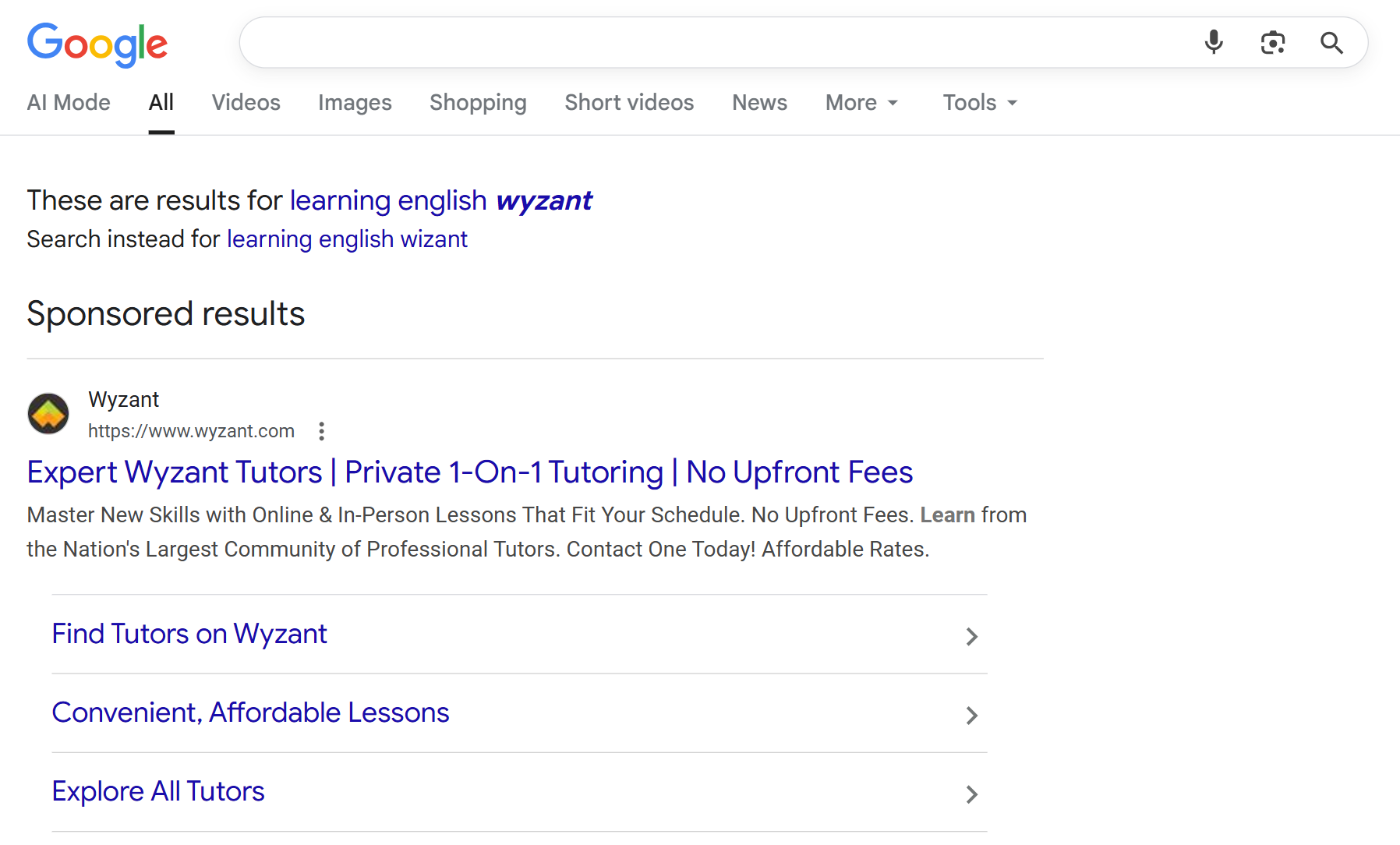
While organic marketing is great for long-term results, investing in paid ads provides immediate reach. Google Ads, 7SearchPPC, and social media ads are great for reaching audiences from specific demographics or with certain interests.
Google Ads cover a diverse ecosystem of platforms, such as Google Search, YouTube, Gmail ads, Google Discover, and the Google Display Network. Facebook, Instagram ads (Meta ads) and LinkedIn ads help you reach the right target audience.
Advertising is a powerful strategy to attract new students and build brand awareness. If done in a proper way, ads can boost sales.
How Does It Help?
Reach high-intent learners, faster results, precise targeting, and retargeting.
Strategy # 8: Build Referral Programs
Word-of-mouth marketing and referrals still hold their old charm! In fact, referrals are 2-4 times more likely to convert as compared to other marketing channels. Creating a referral program hardly needs marketing spend apart from the incentives for new signups.
So, referral marketing is a win-win for students and platforms!
Essential Aspects of a Successful Referral Program:
- Referrer Type – Students, Influencers or Affiliates
- Referral Incentives – Percentage-based discount, free access to premium courses or cashback
- Eligibility – For new sign-ups, course enrollment or payment
How Does It Help?
Positive word of mouth, customer loyalty, brand awareness, and low-cost acquisition
Example: Skillshare runs referral campaigns for both instructors and students. Students can invite their friends and win a free month of membership program on successful referral. On successful referral, instructors get about 60% of the student’s annual subscription fee.
Strategy # 9: Join Online Niche Communities
Online communities, such as Reddit, Quora and social media groups, are evolving as trusted sources for users to seek advice. As per SimilarWeb, Reddit gets over 4.211 billion monthly visits, and Quora gets around 361.7 million monthly visitors. However, you need to follow the in-house rules to avoid getting banned.
Golden rules to promote in communities:
- Reddit – Join relevant subreddits (r/languagelearning, r/elearning); check platform rules; avoid links in first few posts.
- Quora – Answer questions first; include long, structured answers and natural links
- Facebook Groups – Identity active learning groups, share value posts and engage with members
How Does It Help?
Share expertise, build niche authority, brand exposure, and win warm leads
💡Pro Tip: Add your website link in the profile bio; both Quora and Reddit allow bio links. This way, readers know about your website even if you don’t mention it explicitly in answers.
Key Metrics to Track for Promoting E-Learning Platforms
Marketing without measuring is like globe-trotting all around without reaching your destination. The right marketing metrics are your north star, steering your e-learning website with a clear direction.
Key marketing metrics that move the needle:
- Traffic & Reach – Page views, impressions, total visitors, and new visitors
- Click-Through Rate- Clicks vs. Impressions
- Conversion Metrics – Signup rate, free trial,s and enrollments
- Engagement Metrics – Most-purchased courses and drop-off points in lessons
- Retention Metrics – Churn and customer LTV
- Monetization Metrics – LTV, pricing upgrade, and subscription purchase
Set up your marketing goals and key metrics, and choose what actually matters for a successful marketing campaign.
Final Thoughts: The Go-To Framework for Choosing the Right Marketing Strategy
You don’t need to use all the marketing strategies, but pick the right ones that work for your website.
Let’s put it this way: Customer A is exploring different e-learning platforms. Promoting on Facebook groups, Reddit, Quora, and YouTube can help you to meet these customers.
Customer B is aware of your product and is in the decision-making phase. Use emails, retargeting ads, free trial,s and social media to convert these prospects. So, your platform needs an omnichannel presence across different stages of the customer journey.
Let’s summarize how to decide the right marketing channel:
- Define Your Platform Goals and Target Audience
- Weigh your budget vs. ROI for each strategy.
- Develop the marketing mix – Product, Price, Place, and Promotion.
- Track and Monitor Performance
- Perform A/B testing and refine your marketing strategy continuously.
Follow this marketing framework to enhance your e-learning platform’s reach, visibility, and conversion rates.
FAQ-Related to Promoting an E-Learning Platform
1. What are the effective promotional strategies for your e-learning website?
Social media, email campaigns, content marketing, paid advertising, referral programs, and testimonials are top marketing strategies for e-learning websites.
2. Are free courses effective for marketing e-learning websites?
Yes, free courses and trials help learners to understand what the course offers and the teaching quality of instructors. This builds trust and improves conversions.
3. Which social media platforms are best for promoting e-learning websites?
Facebook, X, Instagram, LinkedIn, and YouTube are great channels to promote your e-learning websites. Choose the right platform based on your target audience, visibility goals, and niche.
4. How long does it take to see the results of marketing strategies on e-learning platforms?
Content marketing and SEO are long-term strategies and take over 6 months, while paid ads generate leads quickly. Use a mix of organic and paid strategies for better results.